

Who Pays After a Dog Bite? The Legal Answer May Surprise You

Money becomes the loudest voice after a dog bite. Medical bills arrive, insurance letters follow, and responsibility quickly turns into a serious legal issue. Many people believe the answer is simple and that the dog owner pays for everything out of pocket.
The legal system, however, does not always work that way. Payment often comes from places most victims never expect. A dog attack injury claim moves through rules about liability, insurance coverage, and state law before a single dollar is paid.
The truth about who writes the check is rarely as direct as it seems, and the details matter more than people realize.
The Common Assumption About Payment
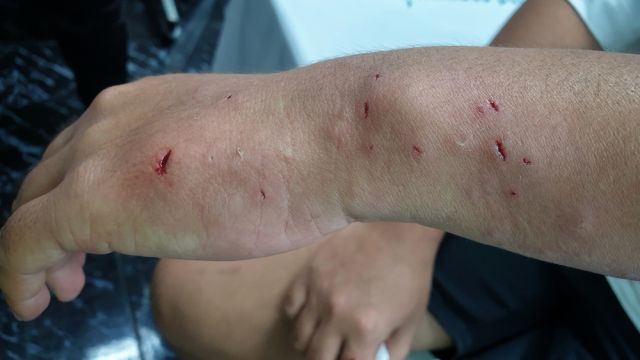
Most people think that if a dog bites someone, the owner must personally cover the damages. That belief feels fair because ownership suggests responsibility. In daily life, that idea makes sense. In legal practice, the process is more layered.
Many homeowners and renters carry liability insurance that covers injuries caused by their pets. Instead of the owner paying directly, the insurance company usually steps in to handle the claim. The owner is still legally responsible, yet the insurer becomes the one negotiating and paying within policy limits.
This difference between responsibility and payment surprises many injured people. The name on the lawsuit may be the dog owner, but the money often comes from an insurance provider defending its policy.
How Liability Laws Shape the Outcome
State law plays a strong role in deciding who owes money. Some states follow strict liability rules. Under strict liability, a dog owner is responsible for medical costs even if the dog never showed aggression before. The injured person does not need to prove that the owner knew the dog was dangerous. The fact that the bite happened can be enough.
Other damages, such as pain and suffering or lost wages, may require proof of negligence. Negligence means the owner failed to act with reasonable care. That could include ignoring leash laws or allowing a dog to roam freely. If the injured person provoked the dog or was trespassing, compensation may be reduced or denied.
Insurance Companies Take the Lead
Insurance companies pay most claims related to dog bites. Homeowners’ insurance policies usually include liability coverage for injuries that happen on the property or are caused by the policyholder’s pet. Renters’ insurance may also provide similar protection.
Policy limits matter a great deal. If the policy covers up to a certain amount, the insurer will not pay more than that limit. If medical bills and other damages exceed the coverage, the injured person may need to explore additional options.
Insurance companies do not simply hand over payment. They investigate the incident carefully. Adjusters review medical records, examine photographs, and sometimes request recorded statements. Their goal is to protect the company’s financial interest.
When Coverage Falls Short
Problems arise if insurance coverage is limited or denied. Some policies exclude certain dog breeds or specific incidents. In those situations, the owner may face personal financial exposure beyond insurance.
If damages go beyond policy limits, the injured person can pursue the owner directly for the remaining amount. That process may involve filing a lawsuit and seeking a court judgment. Winning a judgment does not always guarantee full payment, especially if the owner lacks significant assets.
Compensation in these cases may include:
- Medical expenses, both current and future.
- Lost wages and reduced earning ability.
- Pain and suffering.
- Emotional distress.
- Scarring or permanent disfigurement.
Each category adds weight to the total claim value. A careful evaluation ensures that all losses are included before negotiations move forward.
Settlement Pressure and Legal Strategy
Insurance companies often try to settle quickly. Early offers may seem reasonable, especially during financial strain. Accepting too soon can prevent recovery of future medical costs or additional damages that appear later.
Recorded statements present another challenge. Adjusters may ask detailed questions that appear harmless but can later be used to reduce payment. Delays also create pressure. The longer a claim takes, the more stress builds, which can push injured individuals toward lower settlements.
Legal strategy becomes important at this stage. Proper documentation, medical evidence, and a clear understanding of state law strengthen the position of the injured person. Negotiation backed by preparation often leads to more balanced outcomes.
The Final Word
Responsibility after a dog bite is rarely as simple as it first appears. While the owner is legally accountable, insurance coverage usually provides the actual payment. Policy limits, state liability rules, and negotiation tactics all influence the final result.
Filing a well-prepared dog attack injury claim requires understanding how these elements work together. Payment may come from an insurance company, from the owner, or from both, depending on the circumstances. Clear knowledge of liability and coverage protects injured individuals from accepting less than they deserve.
Anyone can join.
Anyone can contribute.
Anyone can become informed about their world.
"United We Stand" Click Here To Create Your Personal Citizen Journalist Account Today, Be Sure To Invite Your Friends.
Before It’s News® is a community of individuals who report on what’s going on around them, from all around the world. Anyone can join. Anyone can contribute. Anyone can become informed about their world. "United We Stand" Click Here To Create Your Personal Citizen Journalist Account Today, Be Sure To Invite Your Friends.
LION'S MANE PRODUCT
Try Our Lion’s Mane WHOLE MIND Nootropic Blend 60 Capsules
Mushrooms are having a moment. One fabulous fungus in particular, lion’s mane, may help improve memory, depression and anxiety symptoms. They are also an excellent source of nutrients that show promise as a therapy for dementia, and other neurodegenerative diseases. If you’re living with anxiety or depression, you may be curious about all the therapy options out there — including the natural ones.Our Lion’s Mane WHOLE MIND Nootropic Blend has been formulated to utilize the potency of Lion’s mane but also include the benefits of four other Highly Beneficial Mushrooms. Synergistically, they work together to Build your health through improving cognitive function and immunity regardless of your age. Our Nootropic not only improves your Cognitive Function and Activates your Immune System, but it benefits growth of Essential Gut Flora, further enhancing your Vitality.

Our Formula includes: Lion’s Mane Mushrooms which Increase Brain Power through nerve growth, lessen anxiety, reduce depression, and improve concentration. Its an excellent adaptogen, promotes sleep and improves immunity. Shiitake Mushrooms which Fight cancer cells and infectious disease, boost the immune system, promotes brain function, and serves as a source of B vitamins. Maitake Mushrooms which regulate blood sugar levels of diabetics, reduce hypertension and boosts the immune system. Reishi Mushrooms which Fight inflammation, liver disease, fatigue, tumor growth and cancer. They Improve skin disorders and soothes digestive problems, stomach ulcers and leaky gut syndrome. Chaga Mushrooms which have anti-aging effects, boost immune function, improve stamina and athletic performance, even act as a natural aphrodisiac, fighting diabetes and improving liver function. Try Our Lion’s Mane WHOLE MIND Nootropic Blend 60 Capsules Today. Be 100% Satisfied or Receive a Full Money Back Guarantee. Order Yours Today by Following This Link.



| Visits: | 1,795,574,955 |
| Stories: | 8,619,761 |
Whistler Blowers, Insiders


Depending on the severity. Hoot the owner, then the dog.