

Uniforms Dehumanize Us

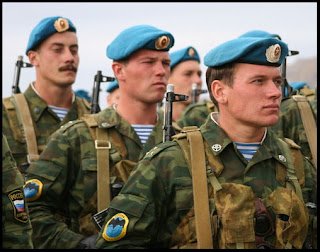
Uniforms serve several psychological purposes across contexts like schools, workplaces, military, sports teams, and other organizations. They function as visual and symbolic tools that influence both the wearer’s mindset and how others perceive them.
The effects can be positive (e.g., cohesion, focus) or negative (e.g., reduced individuality, potential for abuse of power), depending on the setting and norms.
Uniforms are intentionally designed or adopted to achieve these core goals:
Foster Group Identity and Belonging
Wearing the same attire creates a shared visual symbol of membership, strengthening collective identity and in-group cohesion. This boosts morale, team spirit, and a sense of pride in the group or organization (e.g., military units, sports teams, or corporate staff). It aligns individuals with the group’s values, mission, and purpose, making people feel part of something larger.
Promote Conformity and Role Adoption
Uniforms signal expected behaviors and roles, helping wearers “step into” a professional or group mindset. This can enhance professionalism, accountability, and performance by reducing personal distractions and encouraging adherence to norms (e.g., nurses embodying caring, police projecting authority).
Reduce Individual Differences and Decision Fatigue
By standardizing appearance, uniforms minimize visible status markers (e.g., expensive brands), socioeconomic competition, or “fashion one-upmanship.” This levels the playing field, lowers social anxiety about clothing choices, and frees mental energy for tasks (e.g., school or work focus).
 Establish Authority, Credibility, and Trust
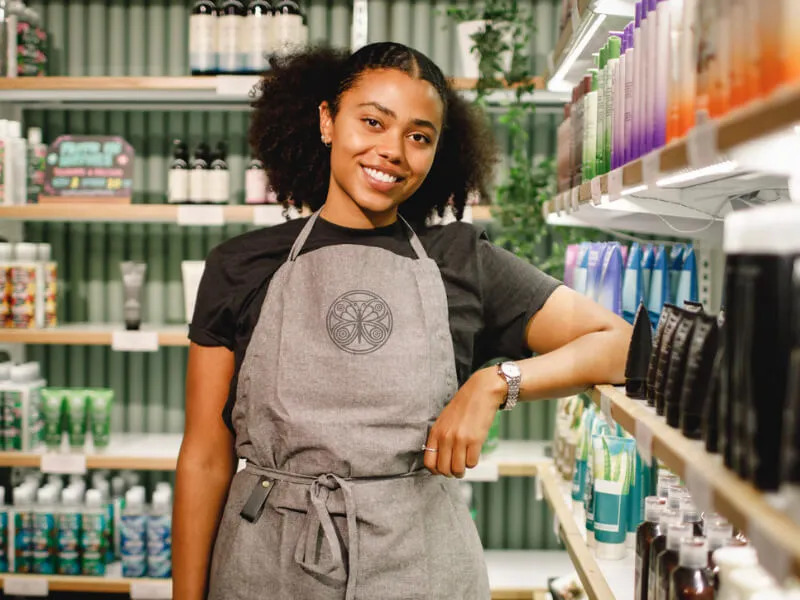
For observers, uniforms instantly convey competence, expertise, or power (e.g., doctors in scrubs, officers in formal attire). This builds immediate trust and facilitates smoother interactions.
Facilitate De-individuation (in Certain Contexts)
Uniforms can reduce personal identifiability, leading to a diminished sense of individual accountability. This shifts focus from personal identity to group norms, which can amplify conformity–but the outcome depends on the group’s salient norms (positive like helping, or negative like aggression).
Key Psychological Effects
Positive Effects Increased team unity, morale, and motivation (common in workplaces, sports, and service industries). Enhanced focus and productivity by signaling “work mode” and reducing everyday decisions.
Greater pride and professional identity internalization (e.g., feeling more competent or aligned with the role). In some cases, slight improvements in attendance or discipline (e.g., secondary schools or military settings).
Summary Table of Effects by ContextContextMain PurposeTypical Positive EffectsPotential Negative Effects
In essence, uniforms act as a psychological shortcut to shape behavior through symbolism, social cues, and reduced individuality. Their impact is powerful but context-dependent–enhancing positive group norms when well-managed, or enabling problematic dynamics when norms turn harmful.
Source: https://henrymakow.com/2026/05/uniforms-dehumanize-us.html
Anyone can join.
Anyone can contribute.
Anyone can become informed about their world.
"United We Stand" Click Here To Create Your Personal Citizen Journalist Account Today, Be Sure To Invite Your Friends.
Before It’s News® is a community of individuals who report on what’s going on around them, from all around the world. Anyone can join. Anyone can contribute. Anyone can become informed about their world. "United We Stand" Click Here To Create Your Personal Citizen Journalist Account Today, Be Sure To Invite Your Friends.
LION'S MANE PRODUCT
Try Our Lion’s Mane WHOLE MIND Nootropic Blend 60 Capsules
Mushrooms are having a moment. One fabulous fungus in particular, lion’s mane, may help improve memory, depression and anxiety symptoms. They are also an excellent source of nutrients that show promise as a therapy for dementia, and other neurodegenerative diseases. If you’re living with anxiety or depression, you may be curious about all the therapy options out there — including the natural ones.Our Lion’s Mane WHOLE MIND Nootropic Blend has been formulated to utilize the potency of Lion’s mane but also include the benefits of four other Highly Beneficial Mushrooms. Synergistically, they work together to Build your health through improving cognitive function and immunity regardless of your age. Our Nootropic not only improves your Cognitive Function and Activates your Immune System, but it benefits growth of Essential Gut Flora, further enhancing your Vitality.
Our Formula includes: Lion’s Mane Mushrooms which Increase Brain Power through nerve growth, lessen anxiety, reduce depression, and improve concentration. Its an excellent adaptogen, promotes sleep and improves immunity. Shiitake Mushrooms which Fight cancer cells and infectious disease, boost the immune system, promotes brain function, and serves as a source of B vitamins. Maitake Mushrooms which regulate blood sugar levels of diabetics, reduce hypertension and boosts the immune system. Reishi Mushrooms which Fight inflammation, liver disease, fatigue, tumor growth and cancer. They Improve skin disorders and soothes digestive problems, stomach ulcers and leaky gut syndrome. Chaga Mushrooms which have anti-aging effects, boost immune function, improve stamina and athletic performance, even act as a natural aphrodisiac, fighting diabetes and improving liver function. Try Our Lion’s Mane WHOLE MIND Nootropic Blend 60 Capsules Today. Be 100% Satisfied or Receive a Full Money Back Guarantee. Order Yours Today by Following This Link.


| Visits: | 1,806,697,620 |
| Stories: | 8,643,395 |
Whistler Blowers, Insiders

