

5 Foods That Disappear First In A Crisis


Food scarcity becomes a significant concern when faced with a worldwide crisis, be it a natural disaster, economic collapse, or pandemic.
During difficult times, the demand for sustenance rises while supply chains and resources strain to meet the population’s needs. As a result, certain foods inevitably become the first to vanish from store shelves.
Understanding which food items will be impacted most can help individuals prepare and prioritize their needs during such challenges.
To aid you in your preparation plans, this article will explore foods that tend to disappear during a global crisis and explain why they become scarce.
We also have a video of the topic on our YouTube channel if you prefer that:
Perishable Produce
Fresh and perishable produce such as fruits and vegetables are among the first to vanish during crises.
Since these items have a limited shelf life and require a stable supply chain to reach consumers quickly, they will often be the first to go.
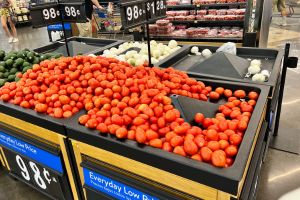
When disruptions occur, like transportation challenges, perishables become vulnerable to spoilage before reaching the market.
What often adds to the issue is that consumers tend to stock up on these items early in a crisis, rapidly depleting available supplies.
Instead of relying on fresh veggies and fruits from the store, you should consider building your own garden using this comprehensive guide. By doing so, you will learn how to grow your own fresh produce and ensure that you and your family are well fed during the next crisis.
Bread And Grain Products
Bread and grain products are a staple of many cultures worldwide, making them high-demand commodities. Wheat, rice, and other grains require highly-complex supply chains, from planting and harvesting to processing and distribution.
Any disruption along this chain can lead to immediate shortages. Additionally, in times of crisis, these items are highly sought after due to their long shelf life and versatility, causing them to disappear from the shelves quickly.
Dairy Products
 Dairy products, including milk, cheese, and yogurt, are another category prone to shortages during crises.
The intricate management of these items, including their need for specialized transportation and storage, means that disruptions can quickly impact availability.
Related: Stop Throwing Away Spoiled Milk! Do This Instead
Additionally, dairy production relies heavily on regular farm operations and labor, making them susceptible to workforce shortages or movement restrictions like those seen during the recent pandemic.
Furthermore, refrigeration is required for producing and storing these products. Thus, milk-based options will likely be off the table during a grid-down situation.
Meat And Poultry
Sadly, meat and poultry products are particularly vulnerable during worldwide crises. Animal farming requires significant resources, including water, feed, energy, space, and workers.
Disruptions to the supply chain of meat or poultry products can lead to reduced livestock availability. Moreover, processing plants may face workforce limitations, further impacting production. As demand remains steady, the scarcity of meat and poultry becomes a pressing concern.
Canned And Packaged Goods
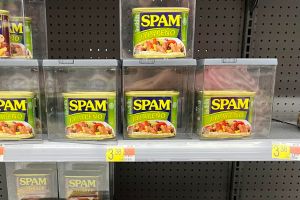 While we often think of canned goods as emergency staples, these foods are also susceptible to shortages during a crisis. Canned and packaged goods usually have a longer shelf life, making them ideal for emergency storage.
Related: This Is Why You Need A 6-Pound Emergency Food Bag
Consequently, individuals and institutions often stockpiled these items at the onset of a crisis, leading to shortages. Supply chain disruptions can also affect the production and distribution of these goods, reducing their availability in stores.
Why Do These Foods Disappear First?
While all products are at risk during a crisis, some foods are more likely to disappear before others for a variety of reasons.
Panic Purchasing: In times of crisis, people often resort to panic purchasing, buying more food than they need in anticipation of shortages.
As we are all aware, after surviving the toilet paper crisis of 2020, this behavior depletes supplies rapidly, creating an artificial scarcity of certain items.
Hoarding And Stockpiling: While stocking up on various items is essential to survival in a crisis, it should be done well in advance.
⇒ How To Get 295 Pounds Of Extra Food For Just $5 A Week
As uncertainty rises, some consumers may hoard and stockpile different items, exacerbating the scarcity problem and leaving little for others. Waiting until a crisis begins to start your stockpile could be a fatal mistake.
Supply Chain Disruptions: The supply chain of any item you can find on a store shelf is an intricate, complex web. A global crisis can quickly disrupt the complicated supply chain that brings food from farms and factories to stores and tables.
Transportation restrictions, labor shortages, and plant closures all contribute to interruptions in the availability of various food items, and even a minor interruption can be a big problem for consumers.
A worldwide crisis poses numerous challenges, and food scarcity is undoubtedly one of the most pressing.
Understanding which foods tend to disappear first during these situations can help individuals make informed decisions about their emergency preparedness.
Although we cannot predict the next global crisis, fostering a resilient and sustainable food system can mitigate the impact on essential food supplies.
What food would you miss most if you were in a SHTF situation? I would love to hear in the comments. Stay Safe.
Anyone can join.
Anyone can contribute.
Anyone can become informed about their world.
"United We Stand" Click Here To Create Your Personal Citizen Journalist Account Today, Be Sure To Invite Your Friends.
Before It’s News® is a community of individuals who report on what’s going on around them, from all around the world. Anyone can join. Anyone can contribute. Anyone can become informed about their world. "United We Stand" Click Here To Create Your Personal Citizen Journalist Account Today, Be Sure To Invite Your Friends.
LION'S MANE PRODUCT
Try Our Lion’s Mane WHOLE MIND Nootropic Blend 60 Capsules
Mushrooms are having a moment. One fabulous fungus in particular, lion’s mane, may help improve memory, depression and anxiety symptoms. They are also an excellent source of nutrients that show promise as a therapy for dementia, and other neurodegenerative diseases. If you’re living with anxiety or depression, you may be curious about all the therapy options out there — including the natural ones.Our Lion’s Mane WHOLE MIND Nootropic Blend has been formulated to utilize the potency of Lion’s mane but also include the benefits of four other Highly Beneficial Mushrooms. Synergistically, they work together to Build your health through improving cognitive function and immunity regardless of your age. Our Nootropic not only improves your Cognitive Function and Activates your Immune System, but it benefits growth of Essential Gut Flora, further enhancing your Vitality.

Our Formula includes: Lion’s Mane Mushrooms which Increase Brain Power through nerve growth, lessen anxiety, reduce depression, and improve concentration. Its an excellent adaptogen, promotes sleep and improves immunity. Shiitake Mushrooms which Fight cancer cells and infectious disease, boost the immune system, promotes brain function, and serves as a source of B vitamins. Maitake Mushrooms which regulate blood sugar levels of diabetics, reduce hypertension and boosts the immune system. Reishi Mushrooms which Fight inflammation, liver disease, fatigue, tumor growth and cancer. They Improve skin disorders and soothes digestive problems, stomach ulcers and leaky gut syndrome. Chaga Mushrooms which have anti-aging effects, boost immune function, improve stamina and athletic performance, even act as a natural aphrodisiac, fighting diabetes and improving liver function. Try Our Lion’s Mane WHOLE MIND Nootropic Blend 60 Capsules Today. Be 100% Satisfied or Receive a Full Money Back Guarantee. Order Yours Today by Following This Link.


| Visits: | 1,754,545,161 |
| Stories: | 8,543,608 |
Whistler Blowers, Insiders

