

My railway work: no shortage of meaning, but for the EU institutions that can be uncomfortable

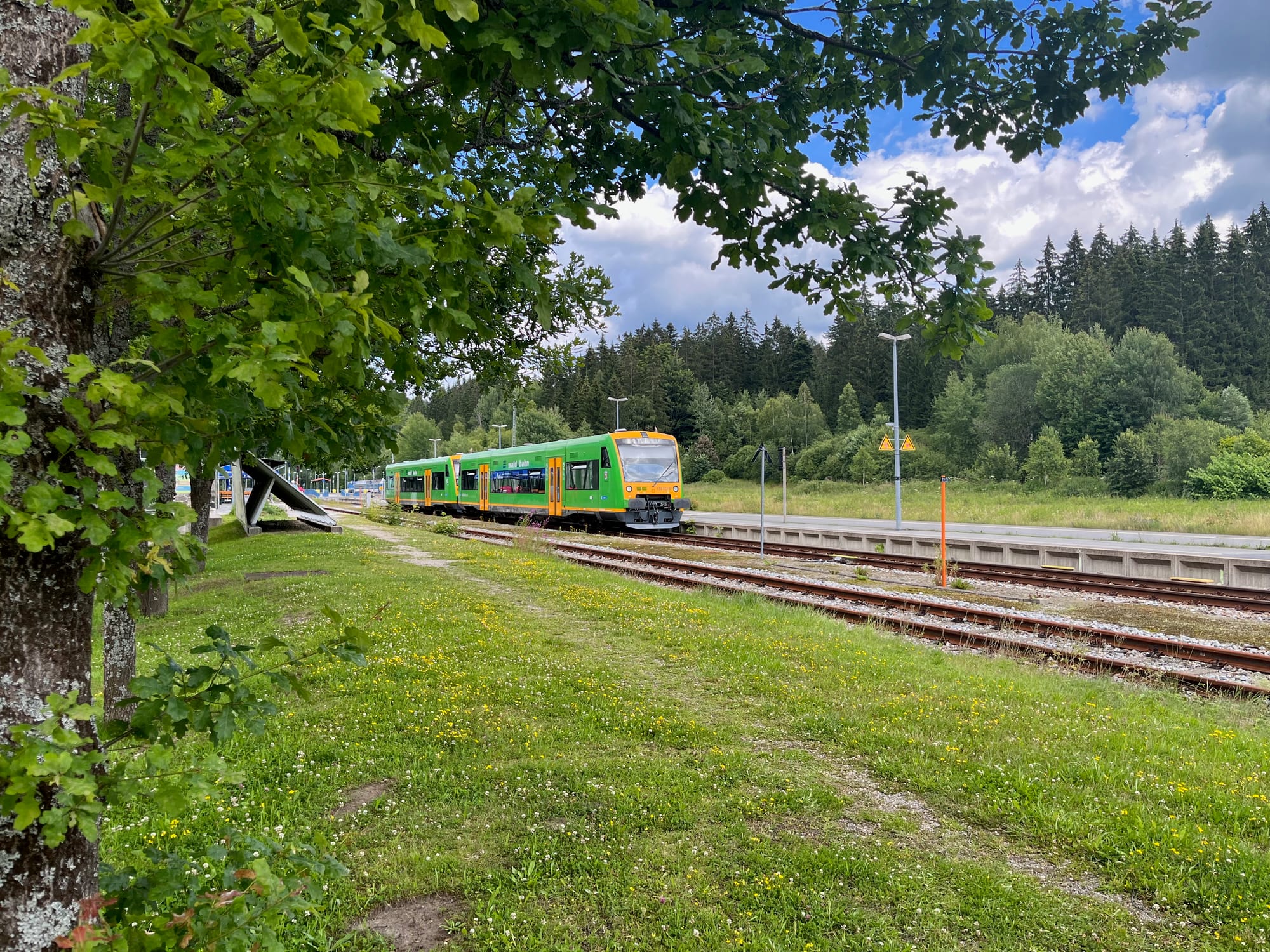
I stumbled across an excellent essay about the EU this week: “Not a messaging problem. Why institutional narratives keep failing” by Meisoon Nasralla and Lilit Poghosyan. They write:
“We are told, once again, that Europe “has a communications problem.” [...] as if proximity to citizens were an issue of bandwidth, as if the public’s incomprehension were a natural disaster, as if better messaging alone could bridge the distance between institutions and a society.”
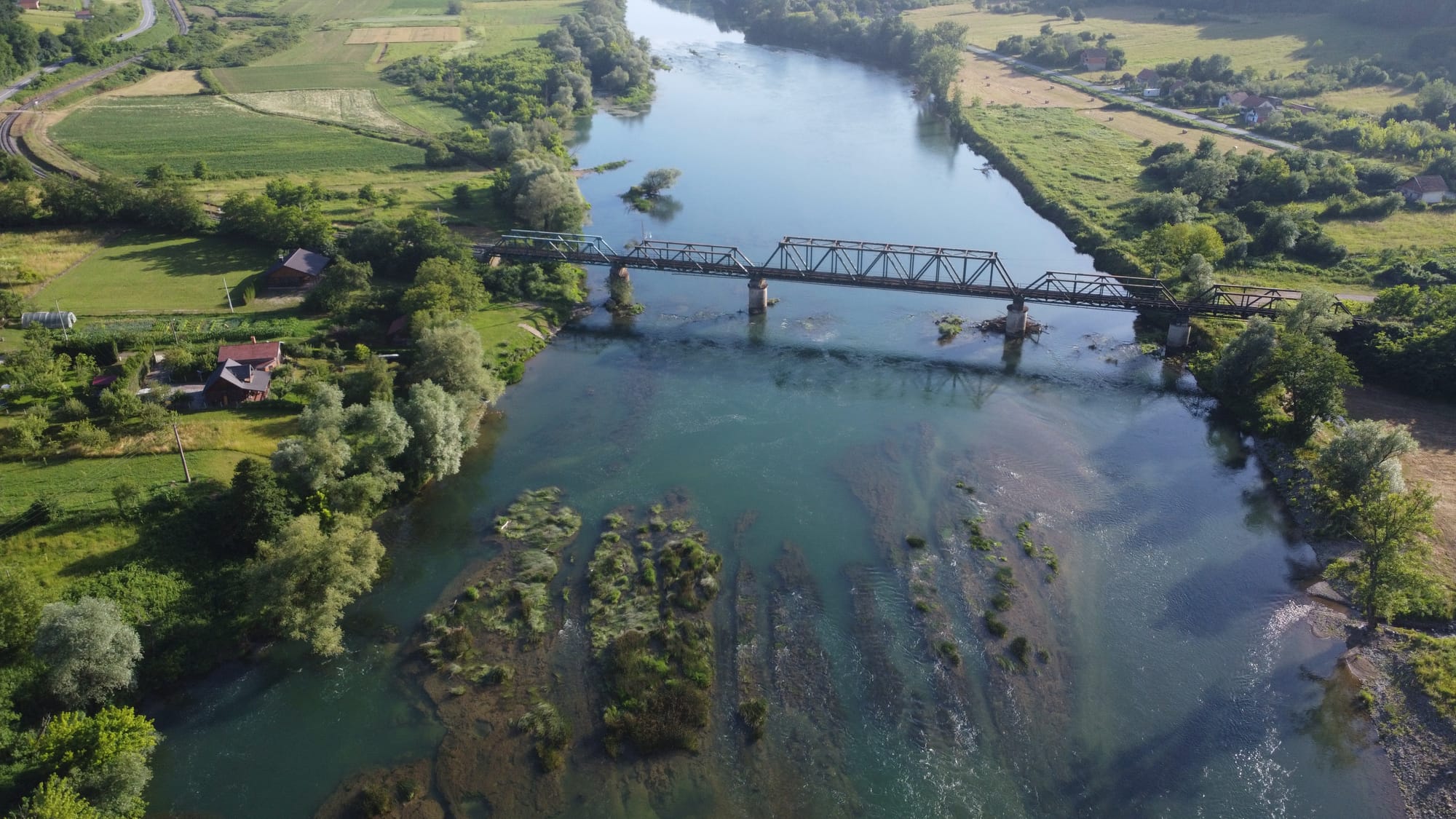
Hey, EU institutions, in my small way in my small area of expertise, I am your bridge! I also have pictures of lots of them from my work:
But I digress.
The authors continue:
“The European Union doesn’t have a messaging problem. It has a meaning problem – one that cannot be manufactured in a cabinet, tried in a focus group and pushed down the line to be repeated by a thousand “stakeholders”.”
So, European Union, here is your meaning, in my area of work.
We are facing a climate crisis, and we all drive and fly too much. We know trains are green, but trying to take the train for international journeys is too complex, too costly, too unreliable for most people. So let’s work to fix it.
And having experienced all of this, having lived it, I can tell you what needs to be done to start to put the problems right.
To make it even more concrete, this post is being written from a train on the way from Nuits-sous-Ravières in rural France to Budapest today, a trip you cannot book in one transaction, a trip impossible to do with passenger rights (if I get stranded somewhere later I foot the cost of my hotel, not any rail firm), and a trip where capacity on the crucial Paris – Stuttgart section is far too low, meaning most trains today are sold out. And that is before I come to the likely delays caused by Germany’s illegal non-Schengen compliant border controls I will face at Kehl later.
I am doing what any responsible but mobile European should do, but numerous hurdles are being put in my path.
But I am a curmudgeon, and I will go a long way – literally – to prove my point.
When I explain my painstaking project #CrossBorderRail (that has personally taken me to more than 400 European border railway lines, from the north of Sweden to Greece, Portugal to Poland) to non-Brussels Bubble people, a common question is “So you work for the EU then?“
Well no, actually.
This is far too grassroots for the EU institutions themselves to ever do something like it, and I am lucky enough that hundreds of small donors have backed my crowd funding efforts over the years to allow me to do it myself.
I am doing this because this is my story, this is my need, this is my Europe. I want to be mobile and not kill the planet, goals I think a lot of people share, and I want to show you can do it, but that it could all be a whole lot better.
And yes, these problems of railways not working in border regions are cross border problems. What is the EU for if it is not to fix cross border problems?
How then do EU institutions react to someone doing this, essentially turning their own story into a one person campaign, and shouting about it with the megaphone of social media? Oddly I am somehow part of the very elite I am shouting at, given I also teach at the College of Europe and Sciences Po, the finishing schools for those who end up in the corridors of power, but it means I also know people on the inside and they tell me things.
“You were very critical!” a friend who works for the Commission told me when I was more or less the only person to see through the bluster of the High Speed Rail Action Plan. “Look,” I told him. “There is a reason you work for the Commission and I do not. I know why that plan was not more concrete. It’s no critique of you, personally, but who – if not me – can demand better?” There is comfort in vague phrases, and quite some personal discomfort for an official if someone reveals the lack of meaning of those words.
“You’re such a radical, Jon” another friend in the Commission once told me when we were talking about my rail projects. “No one in their right mind is going to take a train from Berlin to Lisboa!” Aside from the fact that getting to Lisboa by train fills even me with dread (it crosses two of the borders that make me the most furious), this comment is interesting.
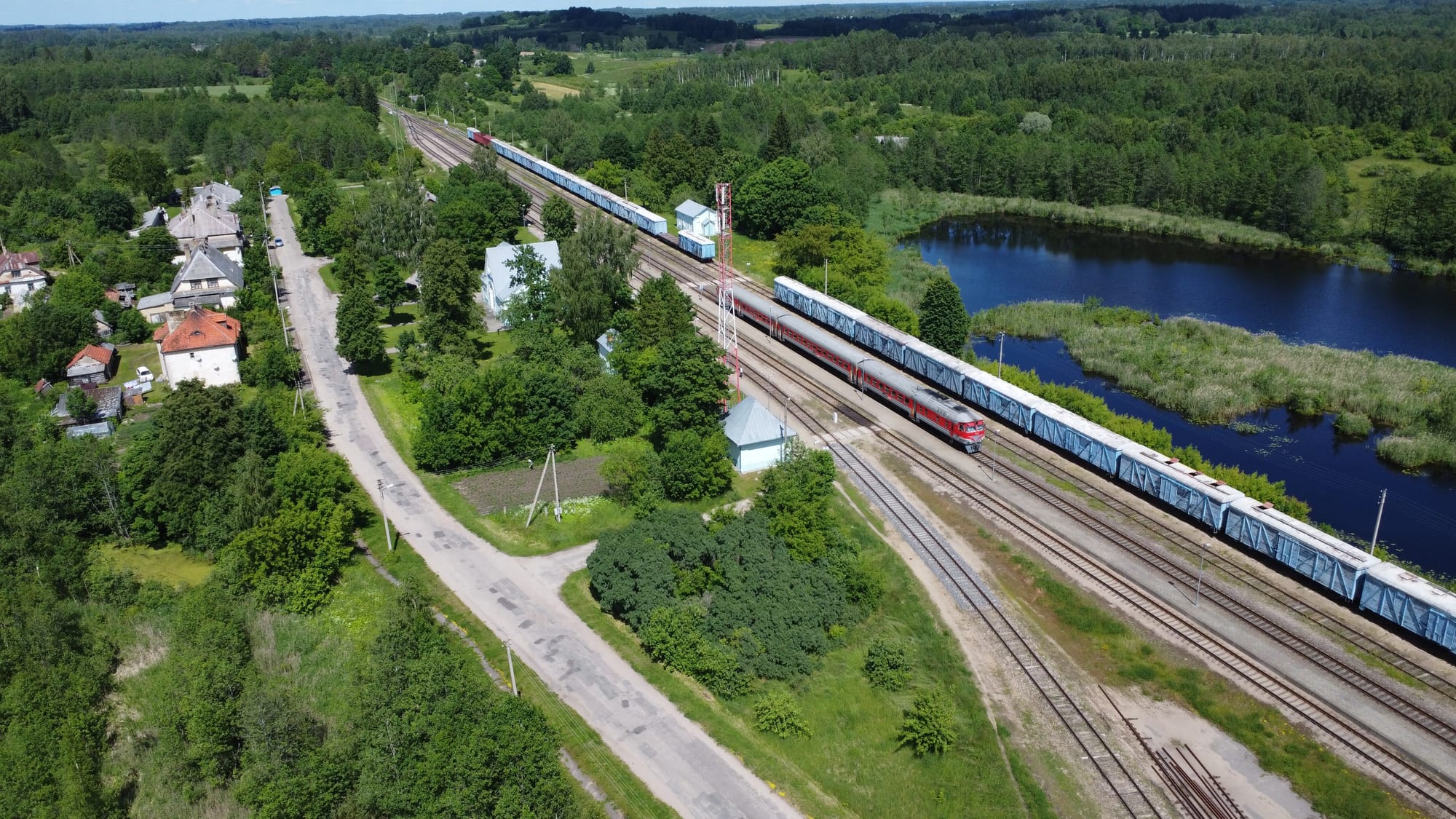
I am intensely aware that my behaviour, in aggregate, is unusual and rather extreme, but the stories I have gathered from individual borders are the mundane things of everyday life. The passengers walking from the last bus stop in Latvia to the train station in Turmantas, Lithuania, because the train doesn’t work. The guy I met taking an international train to go to the dentist in Sweden. And in my work I have spent more time on tiny railbuses than I have on grandiose expresses.
But hidden in amongst the words of my two friends there is a whiff of dirigisme, a kind of let us, the bright brains of the Brussels, sort out the real problems here. Why are you coming here confronting us with your grubby problems from everyday life?
Back to the essay, and Nasralla and Poghosyan wonder why even the voices of NGOs and campaign associations sound so similar to the EU institutions themselves:
“The result is a self-referential chorus – Brussels institutions reassuring Brussels-funded intermediaries that Brussels is listening. Meanwhile the public hears a faint hum in the distance, filed mentally under “they”.
What I am doing by contrast is basic, it is simple, but in this world of EU politics it is also rare. I am out doing, testing, checking the on-the-ground reality, asking where the EU rhetoric matches the reality, or not. I am, in my small field of expertise, trying to see where the European Union has meaning, and could have more in future.
But listening to me can be uncomfortable.
So if there is one conclusion from the Nasralla and Poghosyan essay, and my take on it, it must be that this discomfort comes because these things I discover and document have meaning. If you are the official on the other side of the table, at least do not take it personally, and please do not take refuge in the soothing words of strategies and policy briefs instead. I’ll be the first on hand to help find fixes. You just need to get me there by train.
Source: https://jonworth.eu/my-railway-work-no-shortage-of-meaning-but-for-the-eu-institutions-that-can-be-uncomfortable/
Anyone can join.
Anyone can contribute.
Anyone can become informed about their world.
"United We Stand" Click Here To Create Your Personal Citizen Journalist Account Today, Be Sure To Invite Your Friends.
Before It’s News® is a community of individuals who report on what’s going on around them, from all around the world. Anyone can join. Anyone can contribute. Anyone can become informed about their world. "United We Stand" Click Here To Create Your Personal Citizen Journalist Account Today, Be Sure To Invite Your Friends.
LION'S MANE PRODUCT
Try Our Lion’s Mane WHOLE MIND Nootropic Blend 60 Capsules
Mushrooms are having a moment. One fabulous fungus in particular, lion’s mane, may help improve memory, depression and anxiety symptoms. They are also an excellent source of nutrients that show promise as a therapy for dementia, and other neurodegenerative diseases. If you’re living with anxiety or depression, you may be curious about all the therapy options out there — including the natural ones.Our Lion’s Mane WHOLE MIND Nootropic Blend has been formulated to utilize the potency of Lion’s mane but also include the benefits of four other Highly Beneficial Mushrooms. Synergistically, they work together to Build your health through improving cognitive function and immunity regardless of your age. Our Nootropic not only improves your Cognitive Function and Activates your Immune System, but it benefits growth of Essential Gut Flora, further enhancing your Vitality.

Our Formula includes: Lion’s Mane Mushrooms which Increase Brain Power through nerve growth, lessen anxiety, reduce depression, and improve concentration. Its an excellent adaptogen, promotes sleep and improves immunity. Shiitake Mushrooms which Fight cancer cells and infectious disease, boost the immune system, promotes brain function, and serves as a source of B vitamins. Maitake Mushrooms which regulate blood sugar levels of diabetics, reduce hypertension and boosts the immune system. Reishi Mushrooms which Fight inflammation, liver disease, fatigue, tumor growth and cancer. They Improve skin disorders and soothes digestive problems, stomach ulcers and leaky gut syndrome. Chaga Mushrooms which have anti-aging effects, boost immune function, improve stamina and athletic performance, even act as a natural aphrodisiac, fighting diabetes and improving liver function. Try Our Lion’s Mane WHOLE MIND Nootropic Blend 60 Capsules Today. Be 100% Satisfied or Receive a Full Money Back Guarantee. Order Yours Today by Following This Link.


| Visits: | 1,795,448,319 |
| Stories: | 8,619,554 |
Whistler Blowers, Insiders

