

The Synthesis of Science and Art: My Path in Advancing the Permanent Makeup Industry

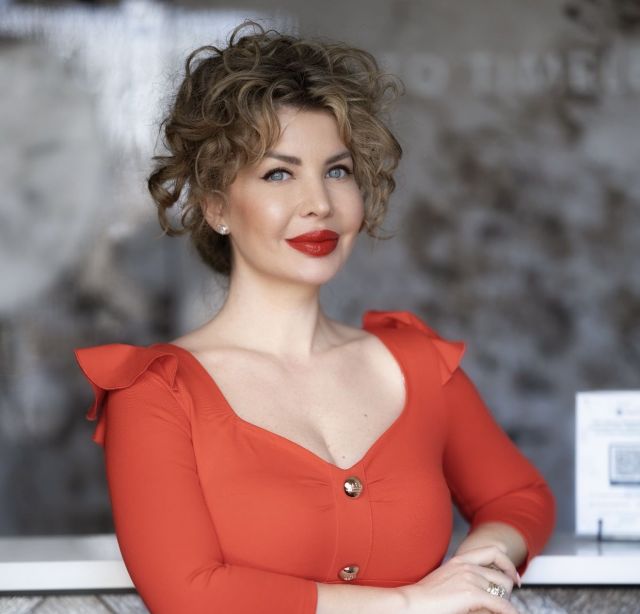
Over the past decade, the permanent makeup (PMU) industry has undergone a significant evolution. What in the early 2010s was largely perceived as a cosmetic service is now increasingly integrated into dermatology, aesthetic medicine, and psychological rehabilitation. My professional path in this field took shape precisely during this period of transformation—from hands-on practice as a PMU artist to scientific research and educational initiatives aimed at elevating professional standards.
I began my practice in permanent makeup more than nine years ago, working with clients in both clinical and studio settings, first in Eastern Europe and later in North America. Over time, it became clear that sustainable development in PMU requires a structured approach: an understanding of skin physiology, pigment behavior, and the psychological impact of aesthetic procedures. This practical experience became the foundation of my scientific and educational work.
Rethinking Permanent Makeup Through a Scientific Lens
At the early stages of my career, I observed that many PMU techniques were passed down through practice without formalized analysis of outcomes. Between 2019 and 2021, while working with clients who had undergone oncological treatment or were affected by autoimmune conditions, I began to systematize clinical observations. This work later formed the basis of my scientific publications.
One of my studies focused on micropigmentation of the eyebrows and lash line in patients with alopecia. The research analyzed cases from 2020 to 2022, with follow-up assessments of color stability, pigment retention, and patient-reported satisfaction. Different techniques—microblading, microshading, and machine-based micropigmentation—were compared in terms of visual outcome and skin response. The findings demonstrated that, with precise depth control and individualized color selection, micropigmentation can serve as an effective tool for aesthetic rehabilitation, particularly for individuals experiencing the loss of external markers of identity.
My second research project addressed medical dermopigmentation of the nipple–areola complex following mastectomy. The study was based on practical cases of patients who had completed reconstructive stages of treatment and included an analysis of three-dimensional techniques, colorimetry, and anatomical reference points. Special attention was given to the psychological perception of the outcome—the sense of completion in the recovery process. The results confirmed that dermopigmentation can represent an important final stage of post-oncological rehabilitation and can be successfully integrated into outpatient and nurse-led care models.
My third research work examined camouflage dermopigmentation of facial scars, including post-traumatic and post-burn scarring. The study analyzed cases treated at different stages of scar maturation. It demonstrated that individualized pigment selection and controlled implantation depth can significantly reduce visual contrast between scar tissue and healthy skin. Beyond the cosmetic effect, patients reported decreased social anxiety and increased confidence in daily interactions.
Practice, Innovation, and Education
The findings of my research have been integrated into my practical methodology. Precision in color work, an in-depth understanding of skin anatomy, and respect for the skin barrier are fundamental principles of my approach. I deliberately avoid universal solutions: every procedure begins with an assessment of skin type, medical history, and the client’s emotional state.
Since 2021, I have been actively involved in teaching, training specialists in the United States and internationally. My educational programs focus not on replicating techniques, but on understanding the rationale behind them. This enables practitioners to make informed decisions in complex or non-standard cases and helps reduce the risk of complications.
Professional Standards and Expert Involvement
My work as an international speaker and a member of judging panels at professional competitions has allowed me to contribute to the evaluation and development of industry standards. In my judging practice, I assess not only aesthetic outcomes but also technical precision, skin handling, and adherence to ethical principles. This approach supports the formation of a more responsible and mature professional culture within the PMU industry.
The Human Dimension of the Profession
For me, permanent makeup has always extended beyond its decorative function. Working with patients after oncological treatment, individuals with alopecia, or those with pronounced scarring has shown how deeply appearance influences a person’s inner state. Restoring eyebrows, the areola, or facial harmony often becomes a crucial step toward regaining a sense of wholeness and self-confidence.
Looking Ahead
I see the future of the PMU industry in its continued integration with medicine, science, and structured education. My professional objective is to continue working at the intersection of practice, research, and mentorship, contributing to the recognition of permanent makeup as a responsible, evidence-informed field of aesthetic and restorative practice rather than a short-lived trend.
Anyone can join.
Anyone can contribute.
Anyone can become informed about their world.
"United We Stand" Click Here To Create Your Personal Citizen Journalist Account Today, Be Sure To Invite Your Friends.
Before It’s News® is a community of individuals who report on what’s going on around them, from all around the world. Anyone can join. Anyone can contribute. Anyone can become informed about their world. "United We Stand" Click Here To Create Your Personal Citizen Journalist Account Today, Be Sure To Invite Your Friends.
LION'S MANE PRODUCT
Try Our Lion’s Mane WHOLE MIND Nootropic Blend 60 Capsules
Mushrooms are having a moment. One fabulous fungus in particular, lion’s mane, may help improve memory, depression and anxiety symptoms. They are also an excellent source of nutrients that show promise as a therapy for dementia, and other neurodegenerative diseases. If you’re living with anxiety or depression, you may be curious about all the therapy options out there — including the natural ones.Our Lion’s Mane WHOLE MIND Nootropic Blend has been formulated to utilize the potency of Lion’s mane but also include the benefits of four other Highly Beneficial Mushrooms. Synergistically, they work together to Build your health through improving cognitive function and immunity regardless of your age. Our Nootropic not only improves your Cognitive Function and Activates your Immune System, but it benefits growth of Essential Gut Flora, further enhancing your Vitality.
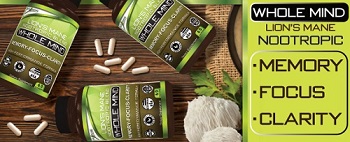
Our Formula includes: Lion’s Mane Mushrooms which Increase Brain Power through nerve growth, lessen anxiety, reduce depression, and improve concentration. Its an excellent adaptogen, promotes sleep and improves immunity. Shiitake Mushrooms which Fight cancer cells and infectious disease, boost the immune system, promotes brain function, and serves as a source of B vitamins. Maitake Mushrooms which regulate blood sugar levels of diabetics, reduce hypertension and boosts the immune system. Reishi Mushrooms which Fight inflammation, liver disease, fatigue, tumor growth and cancer. They Improve skin disorders and soothes digestive problems, stomach ulcers and leaky gut syndrome. Chaga Mushrooms which have anti-aging effects, boost immune function, improve stamina and athletic performance, even act as a natural aphrodisiac, fighting diabetes and improving liver function. Try Our Lion’s Mane WHOLE MIND Nootropic Blend 60 Capsules Today. Be 100% Satisfied or Receive a Full Money Back Guarantee. Order Yours Today by Following This Link.


| Visits: | 1,771,331,137 |
| Stories: | 8,573,103 |
Whistler Blowers, Insiders

