

The Pressures That Lead to Amazon Van Accidents

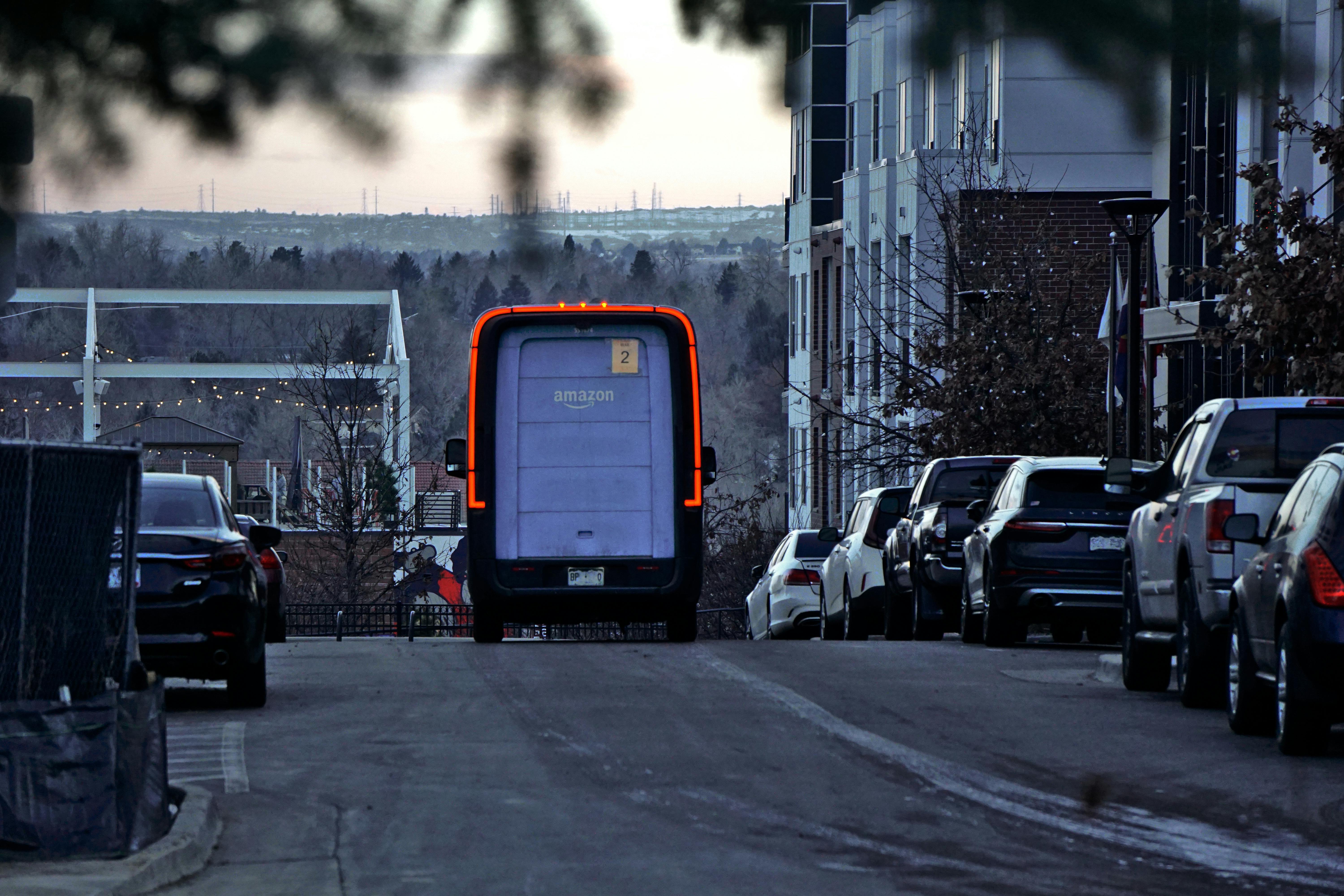
Amazon delivery vans are increasingly involved in roadway accidents as the company expands its delivery network. The rise in amazon delivery van accidents correlates directly with increased delivery volume. These vans operate under unique pressures differing from traditional delivery services. Drivers face demanding quotas, tight delivery windows, and unfamiliar routes. This combination creates accident risk exceeding standard commercial delivery operations.
The pressure to meet delivery targets creates incentives for unsafe driving. Amazon drivers must deliver large numbers of packages in compressed timeframes. Missing delivery windows affects performance metrics determining job security. This pressure translates into speeding, aggressive maneuvers, and reduced safety attention. Drivers prioritize quota completion over defensive driving, creating predictable accident patterns.
The volume of Amazon deliveries means accidents involving these vans are becoming more common. Every accident represents potential injuries, property damage, and liability. Understanding causes of Amazon van accidents helps identify systemic problems driving the risk.
How Time Pressure and Delivery Quotas Faced by Drivers Create Risk
Amazon drivers must complete quotas far exceeding traditional delivery services. A typical driver delivers 200 to 300 packages per day across scattered routes. Meeting quotas requires completing deliveries at unsustainable pace. Drivers skip breaks, rush through neighborhoods, and make unsafe maneuvers to complete quotas.
The time pressure creates direct incentive for speeding. Drivers know every minute saved equals more packages delivered. They speed through residential areas, accelerate aggressively, and brake harder than necessary. This aggressive driving increases accident risk substantially. The accidents happen because drivers prioritize quota completion over safety.
Performance metrics tracking creates additional pressure. Drivers know delivery times are monitored. Slow days affect their standing. This performance tracking removes discretion about pacing. Drivers can’t drive safely and accept slower times because the system penalizes safety-conscious choices. The system itself creates incentives for the risky behavior causing accidents.
How Unfamiliar Routes and Frequent Stops Increase Risk
Amazon delivery routes change frequently. Drivers don’t know the neighborhoods they’re delivering in. They haven’t memorized street layouts, intersection configurations, or traffic patterns. This unfamiliarity means drivers make mistakes navigating that wouldn’t occur with known routes. They miss turns, make sudden lane changes, and stop abruptly when they realize they’re at wrong addresses.
The frequent stops create additional hazards. Drivers stop constantly to deliver packages. Each stop requires leaving vehicles, creating distraction. Each stop means resuming motion while thinking about next deliveries. This constant stopping pattern makes drivers less attentive to traffic. They focus on delivery addresses rather than driving safely.
Unfamiliar neighborhoods mean drivers don’t anticipate hazards. They don’t know which intersections are dangerous. They don’t know which areas have high pedestrian traffic. They don’t know which streets have unusual parking patterns. This unfamiliarity creates situations where drivers encounter unprepared hazards. Accidents happen because drivers don’t know the neighborhoods.
How Vehicle Size and Visibility Affect Collisions
Amazon delivery vans are large vehicles with significant blind spots. Pedestrians and cyclists can be hidden in these blind spots. Drivers making turns or backing up might not see people nearby. The vehicle size itself creates hazard that smaller vehicles don’t generate. A pedestrian struck by large delivery van experiences worse injuries than being struck by sedan at similar speeds.
The visibility problems are compounded by frequent stops. When drivers stop to deliver, they’re focused on delivery locations rather than watching traffic. Vehicles passing stopped vans might hit them. Pedestrians crossing nearby might not see vans moving. The combination of large vehicle size and reduced driver attention creates collision risk.
The van’s size also creates handling difficulties. These vehicles don’t accelerate, brake, or maneuver like cars. Drivers might misjudge capabilities. They might attempt turns or maneuvers the van can’t safely perform. The size difference creates additional accident risk.
How Responsibility May Extend Beyond the Driver Alone
Amazon bears responsibility for creating the pressure system driving unsafe behavior. The company sets quotas requiring unsafe driving to meet. The company establishes delivery windows forcing time pressure. The company’s business model depends on rapid delivery incentivizing risky driving. Amazon’s corporate policies create conditions where accidents become likely.
The franchise model Amazon uses creates additional liability. Franchise operators bear responsibility for driver behavior. They’re incentivized to maintain delivery volume over safety. They pressure drivers to meet quotas. When accidents occur, both the franchise operator and Amazon may bear liability for creating conditions where accidents were likely.
Insurance companies recognize that systematic pressure creates predictable accidents. Amazon and franchisees can be held liable not just for individual accidents but for patterns of unsafe practices. Victims injured by Amazon delivery vans can pursue claims against both driver and company for creating pressure systems incentivizing unsafe driving.
How Delivery Pressures Contribute to Accident Patterns
The accident patterns from Amazon delivery operations show consistent features. Accidents cluster during peak delivery hours when time pressure is greatest. Accidents concentrate on unfamiliar routes where drivers are rushing. Accidents involve unsafe maneuvers drivers make trying to meet quotas. These patterns reveal accidents result from systematic pressure rather than random driver error.
Understanding these patterns helps explain why Amazon delivery accidents are increasing. As delivery volume increases, driver pressure increases. As routes become more complex, driver unfamiliarity increases. As the business model depends more on rapid delivery, the incentive for unsafe driving increases. The accident patterns follow logically from the pressure system.
Reducing these accidents requires changing the pressure system rather than blaming individual drivers. Increasing quota times would allow safe speeds. Providing route training would reduce navigation accidents. Decreasing performance pressure would reduce unsafe maneuver incentives. Accidents are systemic problems requiring systemic solutions.
Anyone can join.
Anyone can contribute.
Anyone can become informed about their world.
"United We Stand" Click Here To Create Your Personal Citizen Journalist Account Today, Be Sure To Invite Your Friends.
Before It’s News® is a community of individuals who report on what’s going on around them, from all around the world. Anyone can join. Anyone can contribute. Anyone can become informed about their world. "United We Stand" Click Here To Create Your Personal Citizen Journalist Account Today, Be Sure To Invite Your Friends.
LION'S MANE PRODUCT
Try Our Lion’s Mane WHOLE MIND Nootropic Blend 60 Capsules
Mushrooms are having a moment. One fabulous fungus in particular, lion’s mane, may help improve memory, depression and anxiety symptoms. They are also an excellent source of nutrients that show promise as a therapy for dementia, and other neurodegenerative diseases. If you’re living with anxiety or depression, you may be curious about all the therapy options out there — including the natural ones.Our Lion’s Mane WHOLE MIND Nootropic Blend has been formulated to utilize the potency of Lion’s mane but also include the benefits of four other Highly Beneficial Mushrooms. Synergistically, they work together to Build your health through improving cognitive function and immunity regardless of your age. Our Nootropic not only improves your Cognitive Function and Activates your Immune System, but it benefits growth of Essential Gut Flora, further enhancing your Vitality.

Our Formula includes: Lion’s Mane Mushrooms which Increase Brain Power through nerve growth, lessen anxiety, reduce depression, and improve concentration. Its an excellent adaptogen, promotes sleep and improves immunity. Shiitake Mushrooms which Fight cancer cells and infectious disease, boost the immune system, promotes brain function, and serves as a source of B vitamins. Maitake Mushrooms which regulate blood sugar levels of diabetics, reduce hypertension and boosts the immune system. Reishi Mushrooms which Fight inflammation, liver disease, fatigue, tumor growth and cancer. They Improve skin disorders and soothes digestive problems, stomach ulcers and leaky gut syndrome. Chaga Mushrooms which have anti-aging effects, boost immune function, improve stamina and athletic performance, even act as a natural aphrodisiac, fighting diabetes and improving liver function. Try Our Lion’s Mane WHOLE MIND Nootropic Blend 60 Capsules Today. Be 100% Satisfied or Receive a Full Money Back Guarantee. Order Yours Today by Following This Link.


| Visits: | 1,760,596,176 |
| Stories: | 8,553,172 |
Whistler Blowers, Insiders