

A Brief History of the San Francisco Bay View National Black Newspaper

by JR Valrey
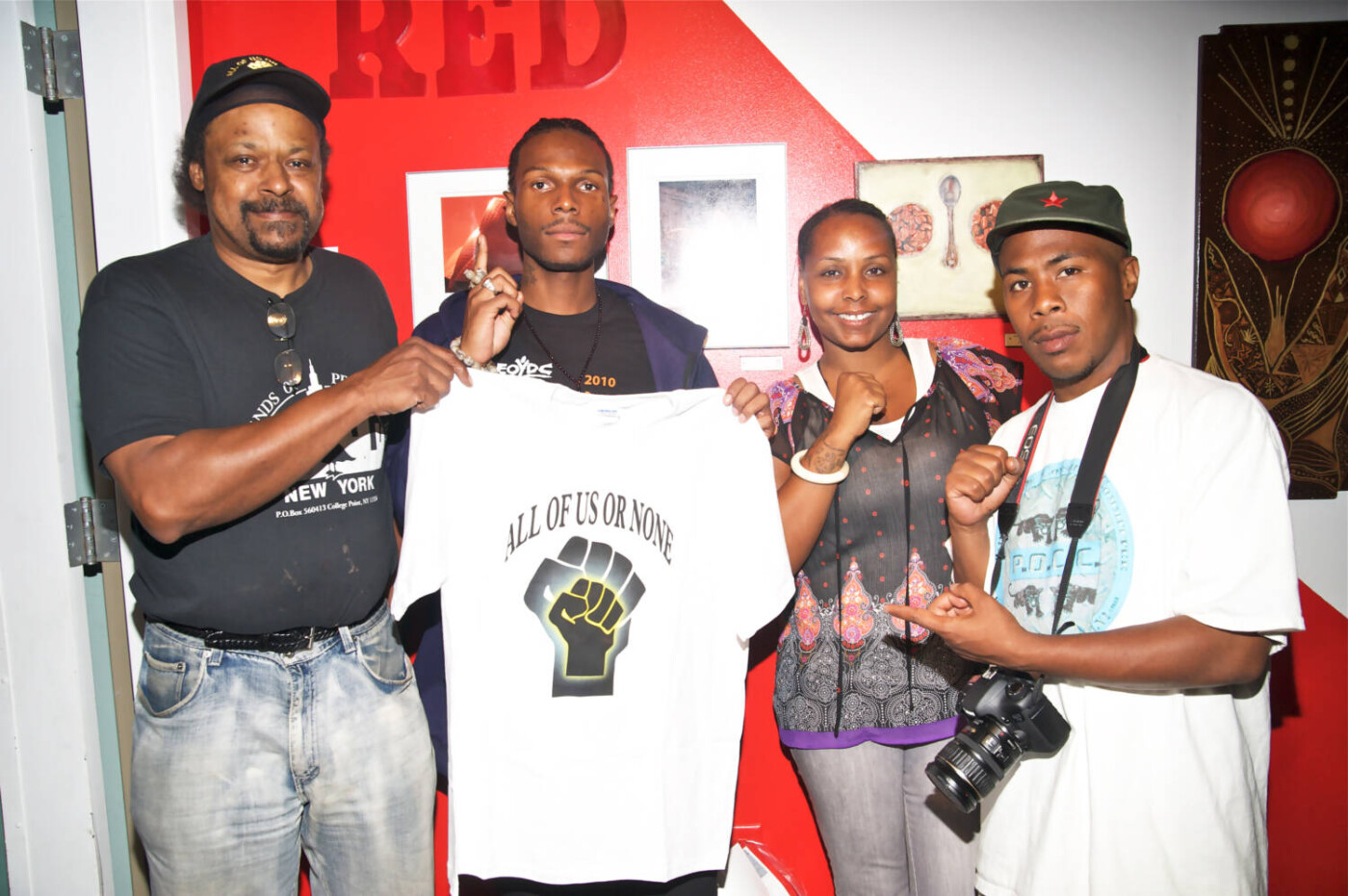
“I tell everybody that the Bay View is the successor to the Black Panther Party’s newspaper” – veteran Black Panther member and BPP archivist Billy X, aka Bill Jennings.
I’m sure that when Muhammad Al-Kareem founded The New Bay View Newspaper in 1976, he did not think that it would be celebrating its birthday a half-century later.
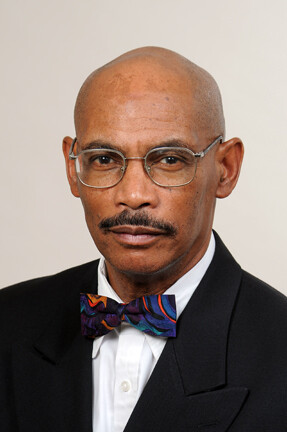
A member of the Nation of Islam and a resident of Bayview Hunters Point, Al-Kareem wanted to create a local version of Muhammad Speaks, which later became The Final Call. He wanted his newspaper to be a local, Black, self-improvement-driven publication without the spirituality.
He produced it sporadically, mostly covering small Black businesses up and down Third Street. In 1991, Muhammad Al-Kareem approached a biracial couple from Alaska, who had recently moved to the area, to query their interest in acquiring the newspaper.
That couple consisted of Dr. Willie and Mary Ratcliff, who had a construction company and were constantly fighting the racist, decades-old San Francisco policy of refusing to give city contracts for construction projects to Black construction companies. So when Al-Kareem offered to sell them The New Bay View, the multibillion-dollar construction industry in San Francisco and the Bay Area was at the top of their hit list.
Al-Kareem sold them the newspaper for $2,000. They changed The New Bay View’s name to The San Francisco Bay View National Black Newspaper. At this time, the paper was black, white and red. In this era, Willie Ratcliff oversaw the distribution of the newspaper, which included distributing 10,000 of the 20,000 newspapers by hand, door to door, in San Francisco.
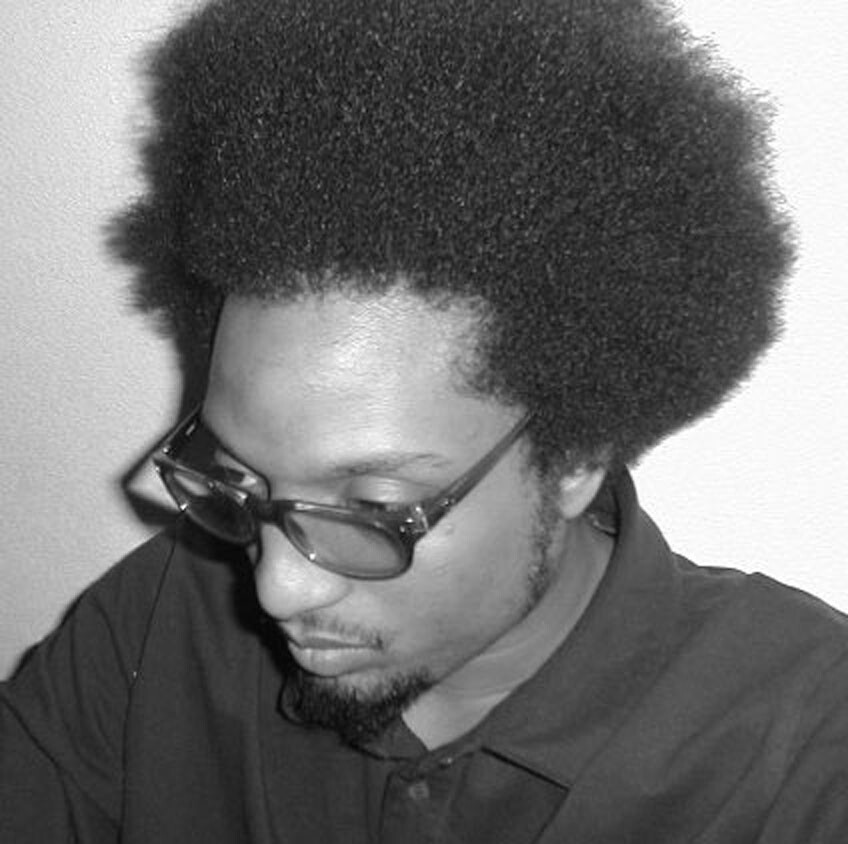
In 1998-99, young veteran Black writers Kevin Weston and Malcolm Marshall approached the SF Bay View about getting a full page regularly for political poetry. They were in their mid-20s, yet I was being mentored by them in a San Francisco-based youth journalism program called Youth Outlook. I was intrigued by the idea of a local Black newspaper because at that time I had only seen The Final Call, the official newspaper of the Nation of Islam.
I watched what Kevin and Malcolm were doing, and I soon jumped into the fray. When I arrived, the newspaper was bustling with the writings of veteran activists like Marie Harrison, who was leading the fight against PG&E’s policy of polluting Hunters Point, and Dr. Ahimsa Sumchai, who was leading the fight against the Navy, which has refused to clean up the radioactive pollution, in Hunter’s Point, created when it participated in building, testing and disposing of material related to the atomic bombs dropped on Nagasaki and Hiroshima, Japan, in World War II. This conscious neglect effectively made the area a super-fund site, a designation as one of the most poisonous places in the country. I met Pierre Labossiere, co-founder of the Haiti Action Committee and a passionate leader in the fight to end the U.S., U.N. and other foreign occupations in Haiti, his beloved homeland.
I had already known Kiilu from working in the community, but I ran into the writings of the late Black Panther Kiilu Nyasha, who had dedicated her life to the movement to free political prisoners. She corresponded regularly with political prisoners and prisoners of war like Mumia Abu-Jamal, Hugo “Yogi” Pinell, Warren Wells, Romaine “Chip” Fitzgerald and Ruchell Magee.
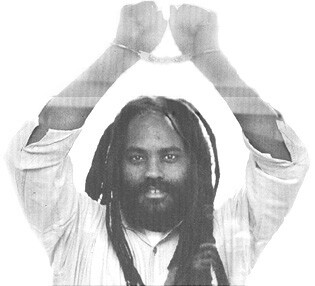
Through the pages of the Bay View, I quickly learned that being a conscious writer who shared my progressive opinion was acceptable at a beginner’s level, but the top level of “freedom-fighter reporting” required the writer to be a direct part of the organizing. The writers that I respect the most were involved in the fight, like El Hajj Malik el Shabazz aka Malcolm X, Mumia Abu Jamal, Huey P. Newton, George Jackson, Steven Biko and Winnie Mandela. The alternative form of reporting is “spectator journalism,” which colleges and universities teach and the mainstream media practices. This is where the reporter creates distance from the subject, supposedly to remain “objective.” While there is a war on Black people, remaining “objective” while our people are being murdered, enslaved, tortured and done unjustly is selling out. It is important for a journalist to understand the political, social and emotional nuance that comes with being engaged in organizing and becoming vulnerable to losing and winning battles with the people being reported on. The Bay View has always been full of freedom fighter writers since I have been around.
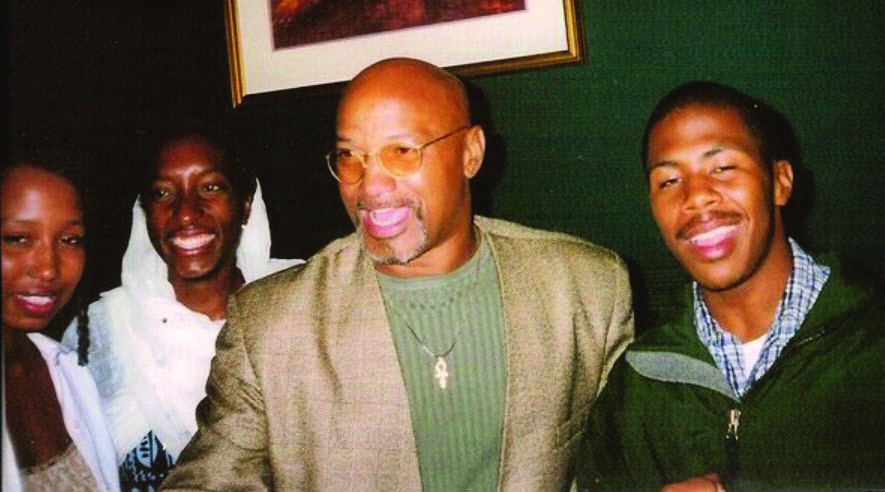
In 2003, graphic designer Terone Ward came aboard and became the creative spine of the paper. At Willie Ratcliff’s suggestion, we added the rising sun from the Black national anthem to the logo, and Terone changed the newspaper’s colors to green and yellow. This was the year that the Behind Enemy Lines section was added to the newspaper, giving incarcerated writers a section to write about their movement, struggles and lives.
This was also the year when Pierre Labossiere and the Haiti Action Committee invited me on a trip to Haiti. I had never met such a determined and resolute group of Black people who were surviving and living in crushing poverty solely because they desired to be free. That week or so I spent in Haiti that year, changed my worldview profoundly. I hadn’t been shaken up mentally like that since I had been to Cuba five years earlier. This was in 2003, and it happened to be approximately six months prior to the U.S. overthrow of the first democratically elected president, Jean-Bertrand Aristide.
Locally, I was becoming a reporter who specialized in police terrorism. Mary and Willie encouraged the hard-hitting, detail-laden, traumatic stories about Black life in the U.S. Over my career at the Bay View, I wrote about police terrorism cases like Idriss Stelley, Terrance Mearis, Laronte Studdesville, Gary King, Oscar Grant, Casper Banjo, Anita Gaye, Nadra Foster, Lovelle Mixon, Kenneth Harding, Mario Woods, Raheim Brown, Aiyana Jones, Sahleem Tindle, Mike Brown, Tamir Rice, Banko Brown and more. In the early 2000s, we were the only newspaper in the Bay Area writing from our people’s perspective – the victims’ – on this topic. And we are still the only publication consistently publishing stories about police terrorism and murder in the Black community. We have recently expanded that coverage to include ICE agents kidnapping Black immigrants and unwarranted government sponsored AI surveillance tools such as flock and axiom cameras, police drones, and data centers.
Back in this time, the internet was starting to really take off. We were the first Black newspaper in the Bay to have a website. The back cover was filled with local activists, artists and community people; we played the part in the society of social media, before social media was even invented. At one point around 2006, we were getting 2.3 million hits a month. Then we were targeted and hacked, and our internet archive up to that point was destroyed.
In 2006, I won an ethnic media award at the New America Media Awards for my coverage of refugee families migrating from Katrina affected areas to San Francisco. The Bay View was the only newspaper in the Bay to appoint a Katrina editor, who lived in the affected zone, allowing us regular access to accurate information.
In 2007, a woman in the community called me to hear how the Oakland Police were exploiting club owners in downtown Oakland. When I was leaving after interviewing her, reporter Chauncey Bailey walked in to interview her for the Oakland Post. The next day, Chauncey Bailey was dead. The Chauncey Bailey Project formed. It was a consortium of journalists from all walks of life who came together to investigate Chauncey Bailey’s murder. I was invited to the first couple of meetings, then I discovered that some of this journalism work was being used by the police to build a case. I wanted to investigate police involvement prior to the murders, which was not a road that the Chauncey Bailey Project was interested in pursuing.
Because I knew one of the suspects and the victim, the Chauncey Bailey Project editors from The Center for Investigative Journalism asked me to be an informant for them. I refused. They then utilized one of their well-known mainstream Black muppet reporters to write a hit piece on me in the Oakland Tribune. Then shortly after, a cover-story hit piece in the East Bay Express soon followed. The newspapers’ writers lied by inferring that I was somehow involved in setting Chauncey Bailey up, and they were attempting to damage my reputation and character. These two hit pieces were retaliation for refusing to play ball.
In August 2008, longtime Black KPFA broadcaster Nadra Foster got into a shouting match with a white manager at KPFA named Lois Withers. Flustered, Withers called and lied to the Berkeley police, saying that Nadra was a crazy woman who had run into the KPFA studios and refused to leave. This was a total lie; Nadra had been a broadcaster at KPFA for over a decade at that point. She was viciously beaten to the ground, kicked in the head, had her arm and vagina stomped on by police, then she was hogtied and taken to jail. Certain broadcasters saw it happen. I was not there, but within hours I received the call that the broadcasters who witnessed the ordeal were waiting on me to break the story because they feared for their jobs. I broke the story by interviewing the witnesses on air at KPFA and, days later, in the San Francisco Bay View.
KPFA tried in every way to get me off covering Nadra’s police beating at KPFA, from passive-aggressive tactics all the way down to direct peer pressure. When that did not work, Pacifica staff and the infamous and dead KPFA lawyer Dan Siegel engineered an internal complaint against me for “intimidating staff.” My real crime was not letting KPFA listeners forget how Nadra Foster was lied about, beaten, hogtied, incarcerated and how she lost her lawsuit. For years, I reported on the minute developments in Nadra’s case in the SF Bay View. The white liberals running KPFA repaid me with a lifetime ban from the station. Despite that, throughout 2024, I was part of the radio show staff and produced news pieces weekly on the Pacifica Radio network, which includes KPFA, on “Capitalism, Race, and Democracy.” They voted me off the show in my absence, after I argued against the non-Black producers wanting to put a white reporter over reporting on the Pan Afrikan revolution in Africa, being led by the Sahel States.
To my knowledge, the widely known case of Nadra Foster, a local Black woman being beaten by Berkeley police after a KPFA white liberal manager lied on her, was not reported anywhere else in the print media.
On New Year’s Day in 2009, BART police murdered Oscar Grant at a BART station in East Oakland, and rebellions followed, week after week, in downtown Oakland. I was initially involved with the street organizing, then I started reporting on the story for the SF Bay View and KPFA. I soon became a defendant after being swept up by police during the initial rebellion. I became one of over 100 defendants, known as the Oakland 100, who were arrested after fighting for the indictment of the policemen involved in murdering Grant. During my arrest, I was stripped of my camera that I used for newspaper photography. OPD refused to return it after I went to court and received a court order. The person responsible for helping me, at the police station, was “sick” or “out for an unspecified amount of time” every time I tried to retrieve my belongings. The Oakland Police Department essentially stole my camera. That was a very small price to pay, during this era, for all of the people who were awakened to police terrorism in the Black community and the lack of police accountability, because of our embedded coverage. The arson charge I faced from the rebellion was dismissed after a 13-month legal fight. The SF Bay View covered the Oscar Grant rebellions, the cases of the Oakland 100, the murder trial of Johannes Mehserle, and the police execution of Lovelle Mixon, extensively within our pages.
Around the time my case ended, I connected with the Haiti Action Committee and Walter Riley of the Haiti Emergency Relief Fund and was on a flight to Port-au-Prince for a second time. This time, Anhk Marketing, run by longtime friends of mine Kamel Bell and Tom Flannery, talked to rappers Yasiin Bey and Jay Electronica about donating $6,000 to a delegation that consisted of doctors, nurses and journalists whose job would be to document the Haitian earthquake of 2010 from the ground, as well as offer free health care to the survivors and people in general. We brought over 35 boxes of medicine donated by the medical community in the Bay Area. When we got to Haiti, the despair was on another level, almost beyond comprehension. There was rubble from fallen buildings everywhere littering the capital, and you could smell the stench of people who were crushed beneath the rubble, whose corpses could not be reached without heavy machinery. You saw armies of rats and flies infesting those areas.
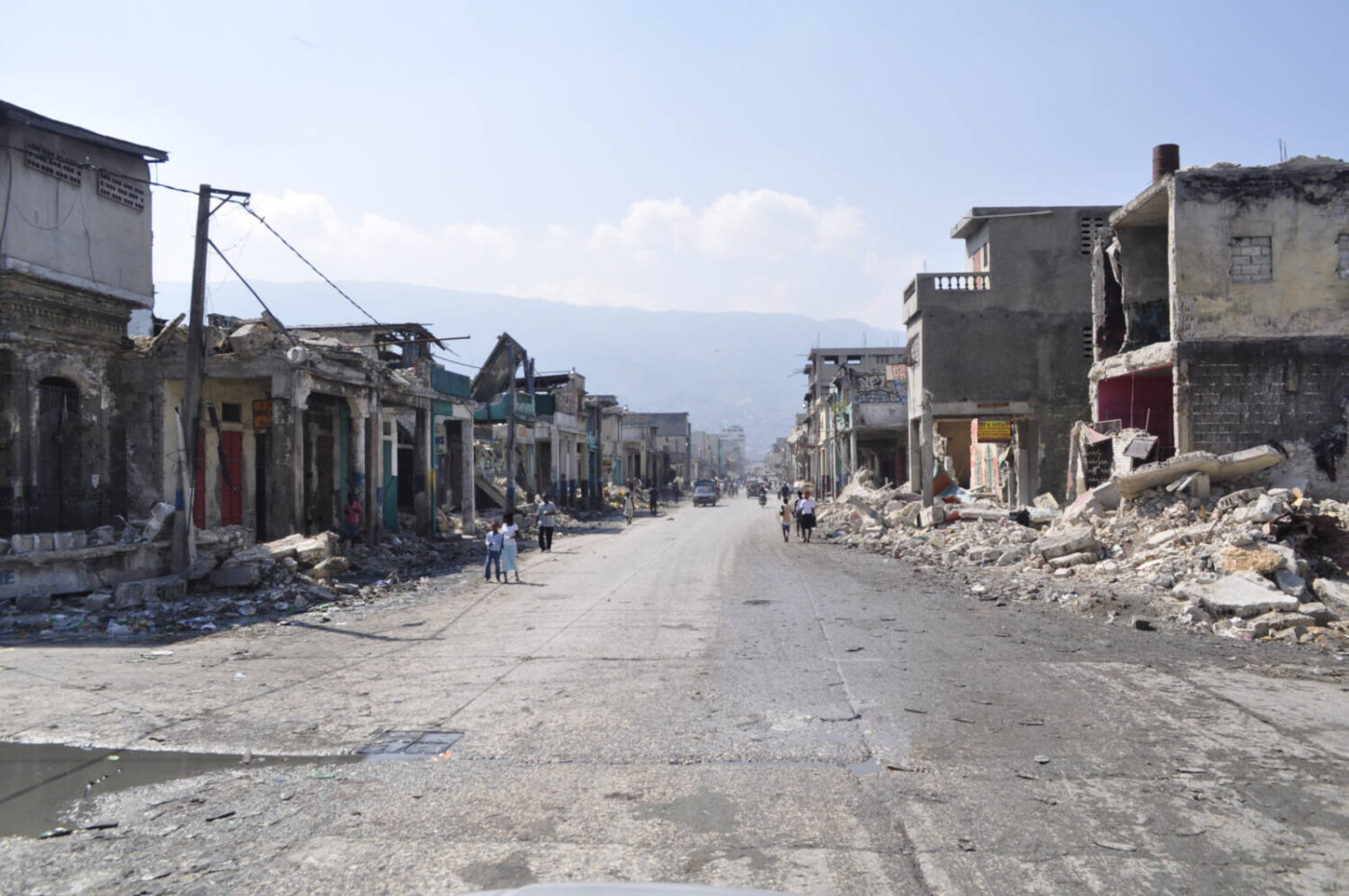
We had the opportunity to work with legendary Haitian freedom fighters and community workers like Rhea Doll and the late Jean Ristil, whom the journalists in the delegation assisted in water distribution throughout Cité Soleil, a prominent neighborhood in Port-au-Prince. We saw the unbearable desperation in the eyes of a people who are/were being robbed of everything through imperialist means. Haiti was once called the jewel of the Antilles by its French colonizers because it was the most profitable colony that France ever had. Now Haiti is considered the poorest country in the Western Hemisphere and one of the poorest in the world.
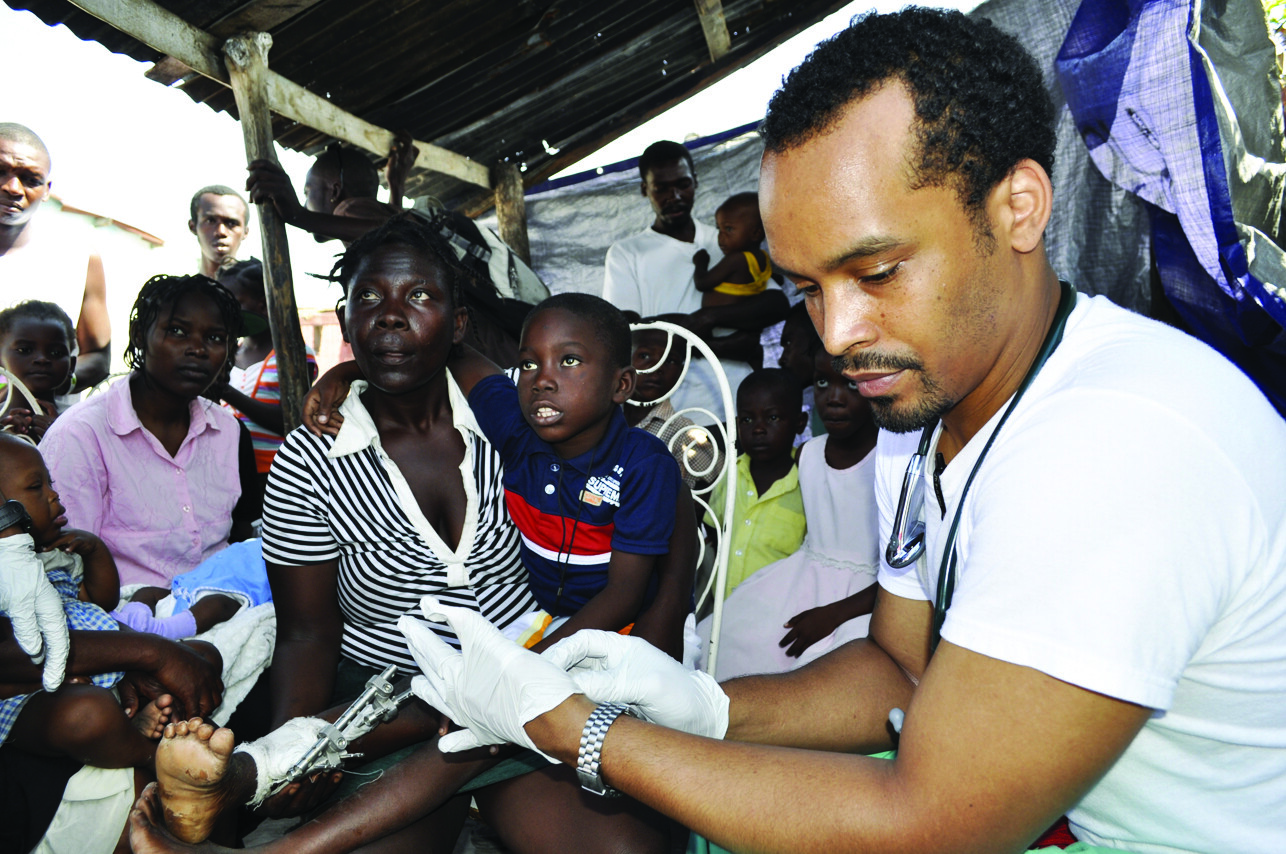
The medical half of our delegation set up a makeshift tent in the middle of a block and started offering free health care. Led by Dr. Chris Zamani, they worked on people hurt by the earthquake as well as people suffering from the physical conditions that imperialism and extreme poverty create.
It seemed as if they worked a taxing eight hours straight a day in the beaming, tropical, Caribbean sun. When it was time to leave the land of the Haitian Revolution, we all had tears in our eyes because it was difficult to say goodbye to people who had become our family and desperately needed what we could offer. Haiti for me is what Africa is for a lot of people. I felt a strong kinship with the people I met, and many times I saw my own reflection in their spirits.
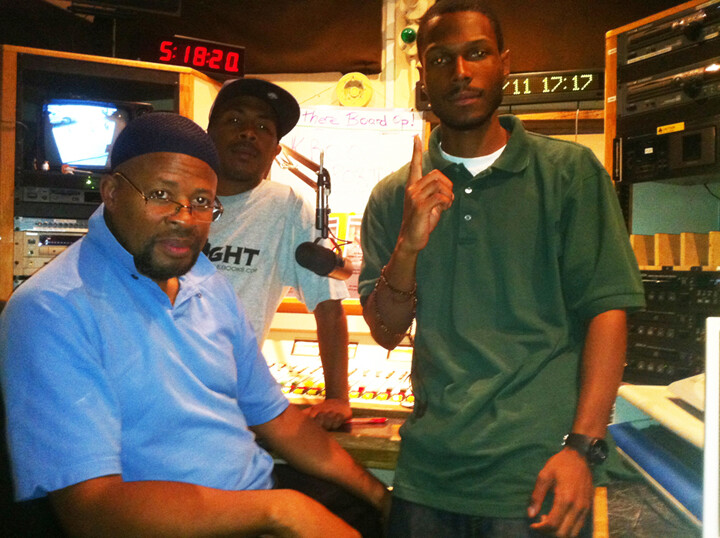
In 2006, Malcolm Shabazz, the grandson of Malcolm X, was introduced to me by the legendary Japanese activist Yuri Kochiyama. Initially, she asked me to help publish Young Malcolm’s words in the Bay View while he was incarcerated. I agreed. He ended up thanking me, then in 2010, followed up by coming to the Bay to meet my comrade Rashida and me in person. Soon after we met, he made the Bay home and never left for an extended period. While based in the Bay, Malcolm spoke at a number of masjids and community centers locally and around the nation while developing his politics and his speaking style. His work was covered extensively in the Bay View. One of the most memorable people that we met together was the late prisoner of war, veteran Panther and member of the Black Liberation Army Sekou Odinga, who was being held captive in New York for his role in liberating Assata Shakur. Our trip was made possible by community organizer and WBAI veteran radio broadcaster Dequi Kioni-Sadiki. Another memorable person we met was veteran Black Panther, political prisoner, award-winning journalist and author Mumia Abu-Jamal, who is still being held captive to this day in a concentration camp in Pennsylvania. Both of these encounters were documented in the Bay View.
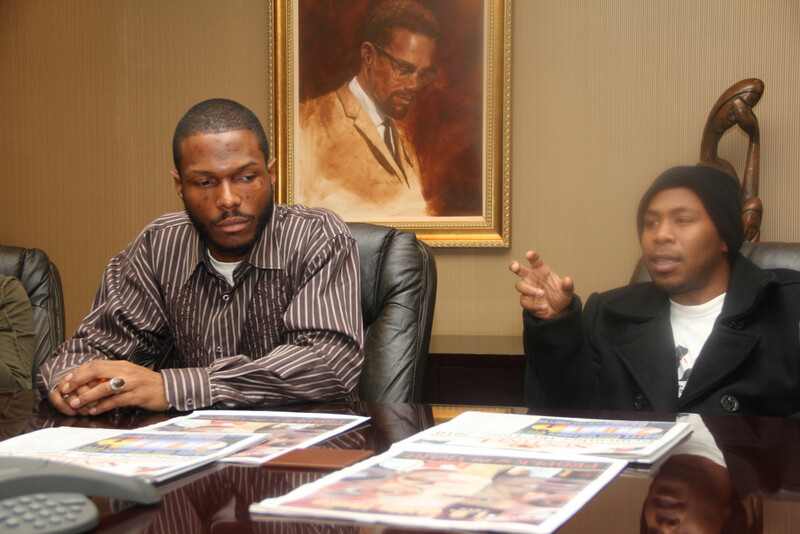
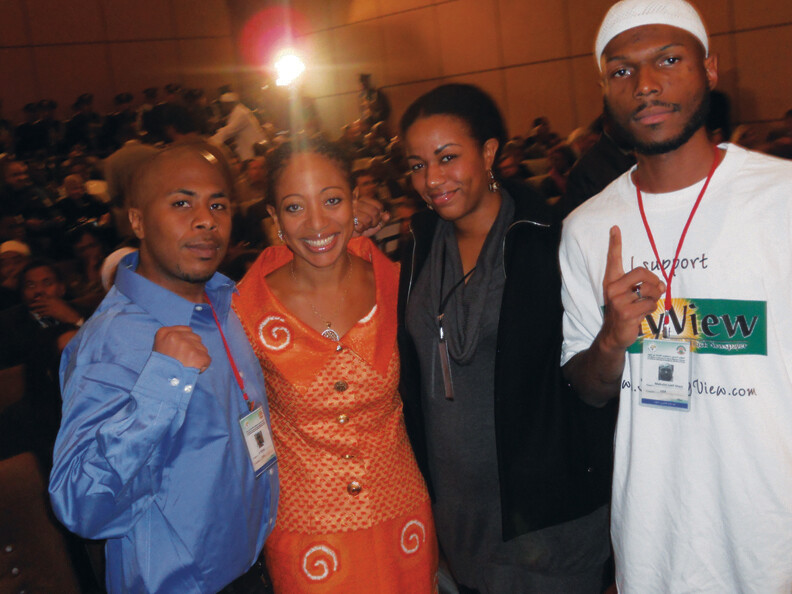
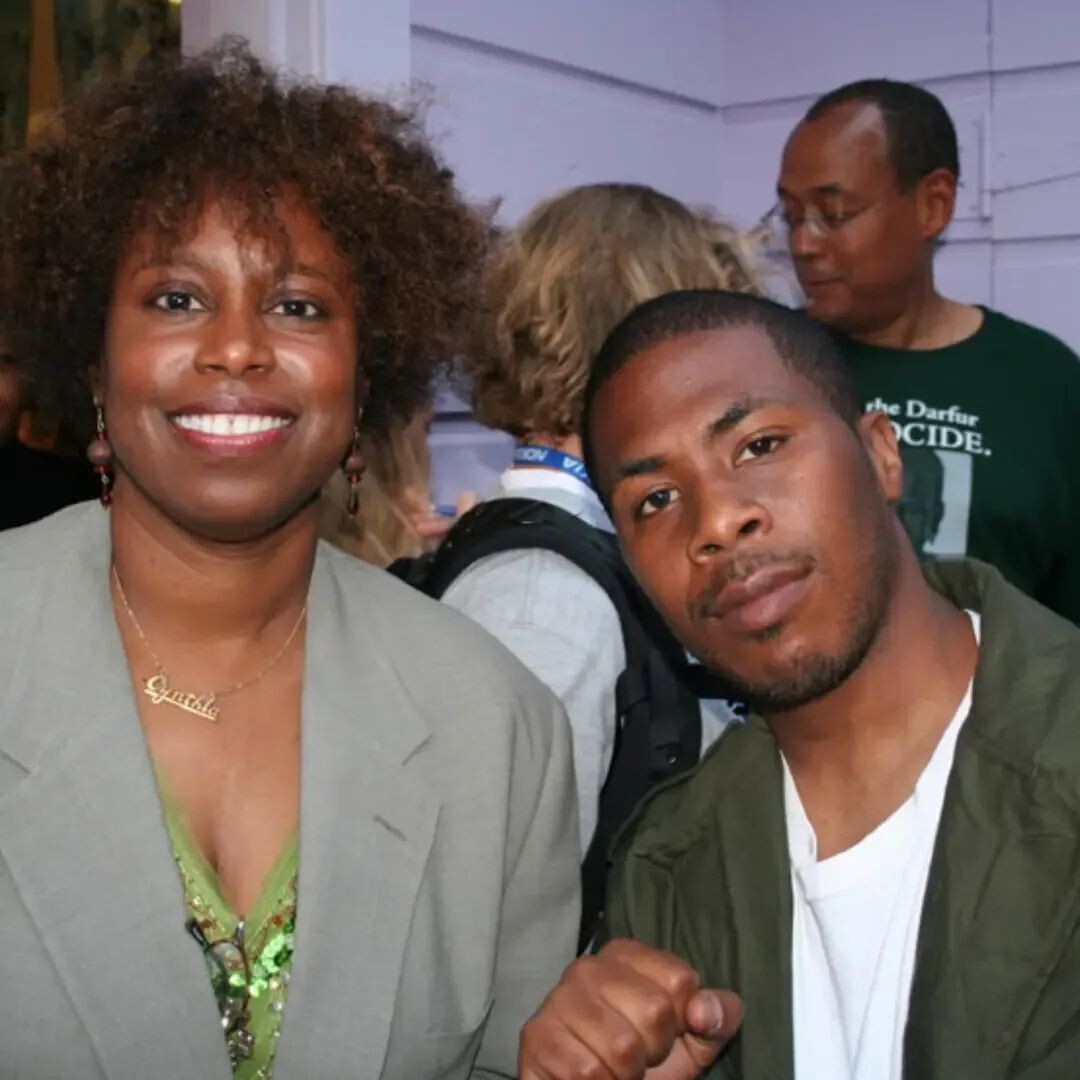
Malcolm’s Hajj to Mecca, as well as our trip with former Congresswoman and presidential candidate Dr. Cynthia McKinney to Tripoli, Libya, were major milestones in our lives, and the details were all intricately recorded in the San Francisco Bay View. When El Hajj Malcolm Latif Shabazz was assassinated in Mexico City under mysterious circumstances in 2013, the Bay View connected with Afro-Mexican activists looking for answers.
In 2015, prisoner of war Hugo “Yogi” Pinell of the San Quentin 6 was assassinated in the California concentration camp system, after more than 40 years in solitary confinement. The Bay View covered this event and the memorials that followed. No other media platform covered this event as thoroughly or as promptly as the Bay View did.
We are definitely proud to have played a part in the California Prison Strikes of 2011 and 2013, where all organized formations united to protest the hellish conditions of indefinite solitary confinement in California’s SHU program. We wrote supporting stories that included the voices of elected officials, nonprofit leaders and activists, while we also published stories from prisoners describing how important and historic these strikes were.
In 2012, I got shot in East Oakland after getting into an argument in the streets. I was down for about four to six months. After that, occasionally I would write for the newspaper, primarily for money because I was unemployed, although I was given some help from my family. For a long time, I had lost the fire to be a reporter.
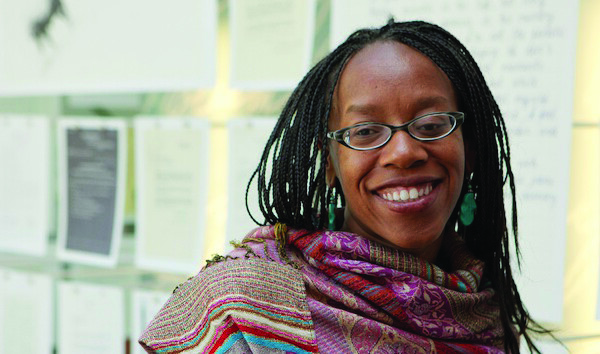
In 2023, I returned to the San Francisco Bay View after a few years’ hiatus from writing. I applied for several grants with the help of Lateefah Simon, who later became the East Bay congresswoman. The Bay View received funding to create the Mumia Abu-Jamal School of Journalism, which notably included students who became staff writers like Zaire Saunders, Robbie and Leah Harmony. I was also able to hire the very talented graphic designer Tasin Sabir, who was one of my early journalistic colleagues at Youth Radio. One of the highlights of this era for me was that my daughter Xion joined the journalism school and the staff. This was also when attorney Allyssa Victory joined the staff as our legal editor.
After six months at the head, I disagreed with the Ratcliffs on some key issues regarding the newspaper and left. Kevin Epps became the executive editor and served in that role for about a year and a half. After he was convicted in a case stemming from a 2016 incident, I returned. I was given back the job of editor in chief and started working alongside Leah Harmony and Tabari Morris, the other two components of the executive staff.
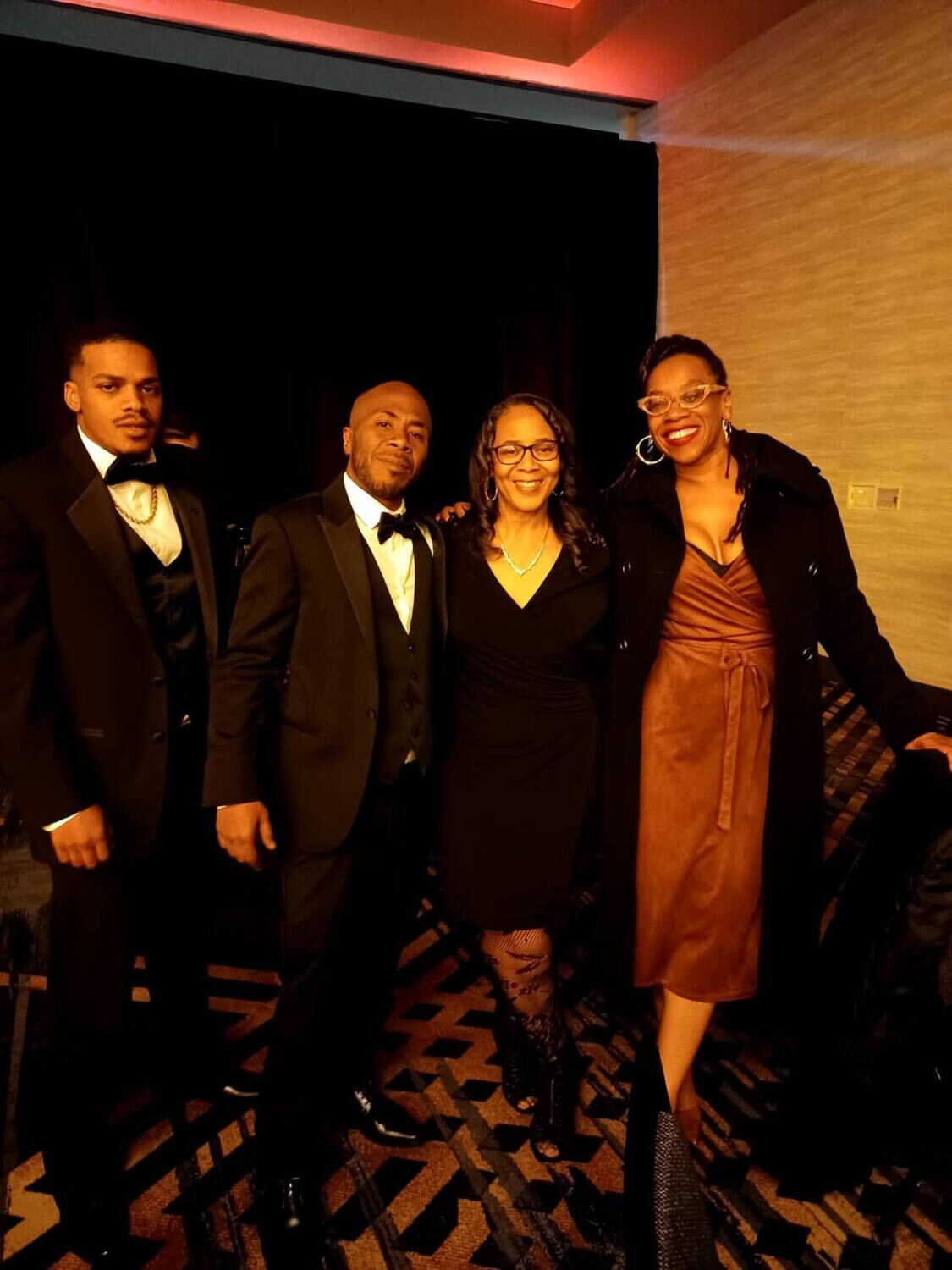
At this point, the San Francisco Bay View is rich in culture, politics and, as you read in this historical piece, experience; but advertisements are not making enough money to pay the bills. We appreciate donations, but we truly need benefactors and community sponsors who can financially help to foot the bills involved in producing a monthly community print newspaper that is free. During the most fascist period of our lives up until now, we have to decide if we will do our part to ensure that Black people have an unbought and unfiltered voice to educate ourselves and to fight the power. In the words of the late Black Panther and Black Liberation Army veteran Assata Shakur, “we don’t have nothing to lose but our chains.”
Please consider donating generously to the SF Bay View during Black Friday, Giving Tuesday and during this holiday season. Also the community is invited to attend the 50th Anniversary Party of the San Francisco Bay View Newspaper on Saturday, Dec. 5, at 6 p.m. at the Black Panther Party Museum in downtown Oakland. Don’t meet us there, beat us there. All Power to the People!
JR Valrey is a veteran journalist and Editor in Chief at the San Francisco Bay View. He can be reached at JR@sfbayview.com
The post A Brief History of the San Francisco Bay View National Black Newspaper appeared first on San Francisco Bay View.
Source: https://sfbayview.com/2026/11/a-brief-history-of-the-san-francisco-bay-view-national-black-newspaper/
Anyone can join.
Anyone can contribute.
Anyone can become informed about their world.
"United We Stand" Click Here To Create Your Personal Citizen Journalist Account Today, Be Sure To Invite Your Friends.
Before It’s News® is a community of individuals who report on what’s going on around them, from all around the world. Anyone can join. Anyone can contribute. Anyone can become informed about their world. "United We Stand" Click Here To Create Your Personal Citizen Journalist Account Today, Be Sure To Invite Your Friends.
LION'S MANE PRODUCT
Try Our Lion’s Mane WHOLE MIND Nootropic Blend 60 Capsules
Mushrooms are having a moment. One fabulous fungus in particular, lion’s mane, may help improve memory, depression and anxiety symptoms. They are also an excellent source of nutrients that show promise as a therapy for dementia, and other neurodegenerative diseases. If you’re living with anxiety or depression, you may be curious about all the therapy options out there — including the natural ones.Our Lion’s Mane WHOLE MIND Nootropic Blend has been formulated to utilize the potency of Lion’s mane but also include the benefits of four other Highly Beneficial Mushrooms. Synergistically, they work together to Build your health through improving cognitive function and immunity regardless of your age. Our Nootropic not only improves your Cognitive Function and Activates your Immune System, but it benefits growth of Essential Gut Flora, further enhancing your Vitality.

Our Formula includes: Lion’s Mane Mushrooms which Increase Brain Power through nerve growth, lessen anxiety, reduce depression, and improve concentration. Its an excellent adaptogen, promotes sleep and improves immunity. Shiitake Mushrooms which Fight cancer cells and infectious disease, boost the immune system, promotes brain function, and serves as a source of B vitamins. Maitake Mushrooms which regulate blood sugar levels of diabetics, reduce hypertension and boosts the immune system. Reishi Mushrooms which Fight inflammation, liver disease, fatigue, tumor growth and cancer. They Improve skin disorders and soothes digestive problems, stomach ulcers and leaky gut syndrome. Chaga Mushrooms which have anti-aging effects, boost immune function, improve stamina and athletic performance, even act as a natural aphrodisiac, fighting diabetes and improving liver function. Try Our Lion’s Mane WHOLE MIND Nootropic Blend 60 Capsules Today. Be 100% Satisfied or Receive a Full Money Back Guarantee. Order Yours Today by Following This Link.


| Visits: | 1,840,009,915 |
| Stories: | 8,745,214 |
Whistler Blowers, Insiders

